Understanding Zen
What Defines Zen?
Zen developed out of Chan Buddhism in China and later took root in Japan. From the beginning, its emphasis has been on direct experience rather than philosophy or doctrine. Rather than explaining reality, Zen points you back to what’s happening right now.
The core practice of Zen is seated meditation, known as zazen. In zazen, you sit still and allow experience to unfold without trying to control it. Some Zen schools also work with koans—short, paradoxical prompts meant to interrupt habitual thinking. Others, though, emphasize the simplicity of just sitting still.



Conceptual Pillars of Zen
Zazen
It’s the practice of sitting still and allowing experience to unfold without interference. It trains openness to whatever arises—comfort or discomfort, restlessness or calm—without trying to fix or improve it.
Start here:
What Is Sitting?Koans
Koans are short, paradoxical prompts used in some Zen traditions to disrupt habitual thinking. They’re not puzzles to solve, but tools for loosening the mind’s usual ways of understanding.
Start here:
The Koan WayEveryday Practice
Zen treats daily life as an ongoing opportunity to practice. Ordinary activities like walking, eating, and speaking become exercises in noticing experience directly.
Start here:
Everyday MindfulnessKey Teachers of Zen

Diane Musho Hamilton
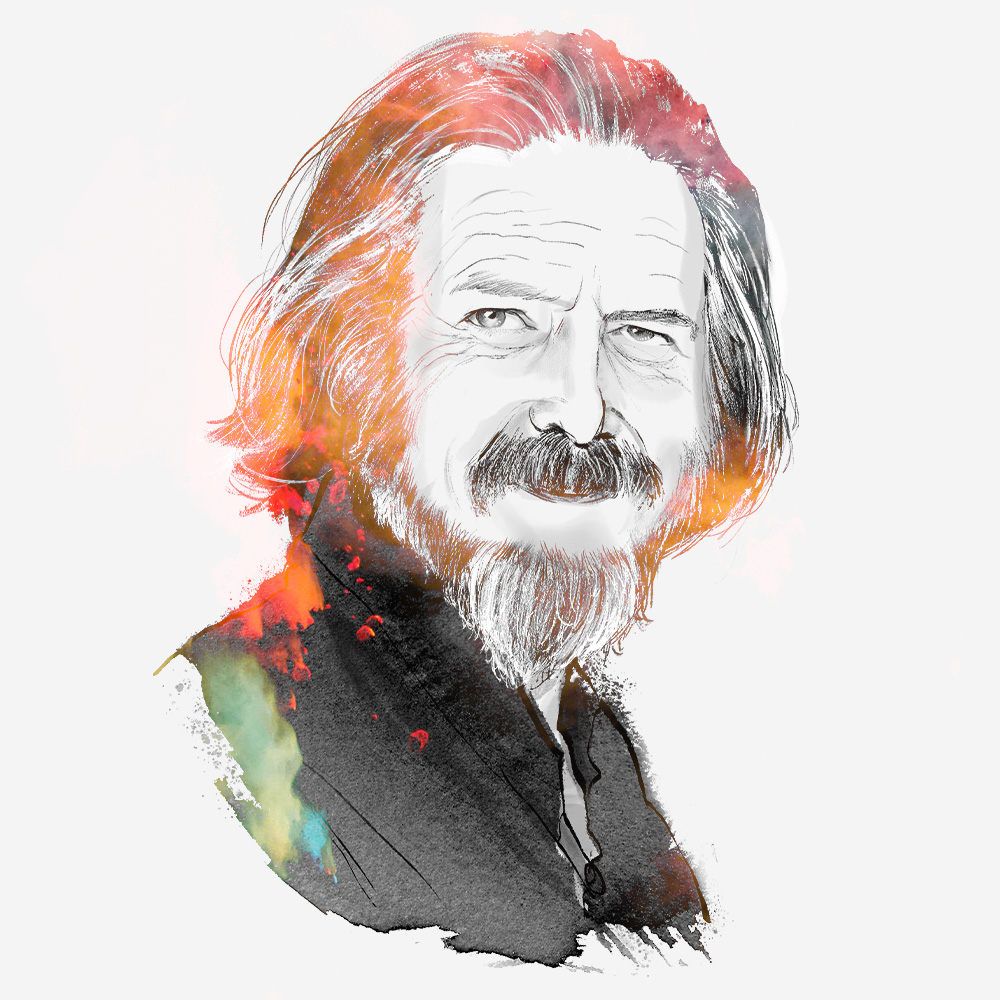
Alan Watts
Start here:
Tao of PhilosophyThe Alan Watts CollectionPhilosophies of AsiaMyth & ReligionPhilosophy & SocietyComparative Philosophy
Charlotte Joko Beck
Charlotte Joko Beck was renowned for her practical approach to Zen. Her spiritual journey began in her 40s and she ultimately received Dharma transmission from Hakuyu Taizan Maezumi Roshi. She founded the Zen Center of San Diego and her writings have influenced contemporary Zen practice.
Start here:
The Practice of Life
Jan Chozen Bays
Start here:
Everyday Mindfulness